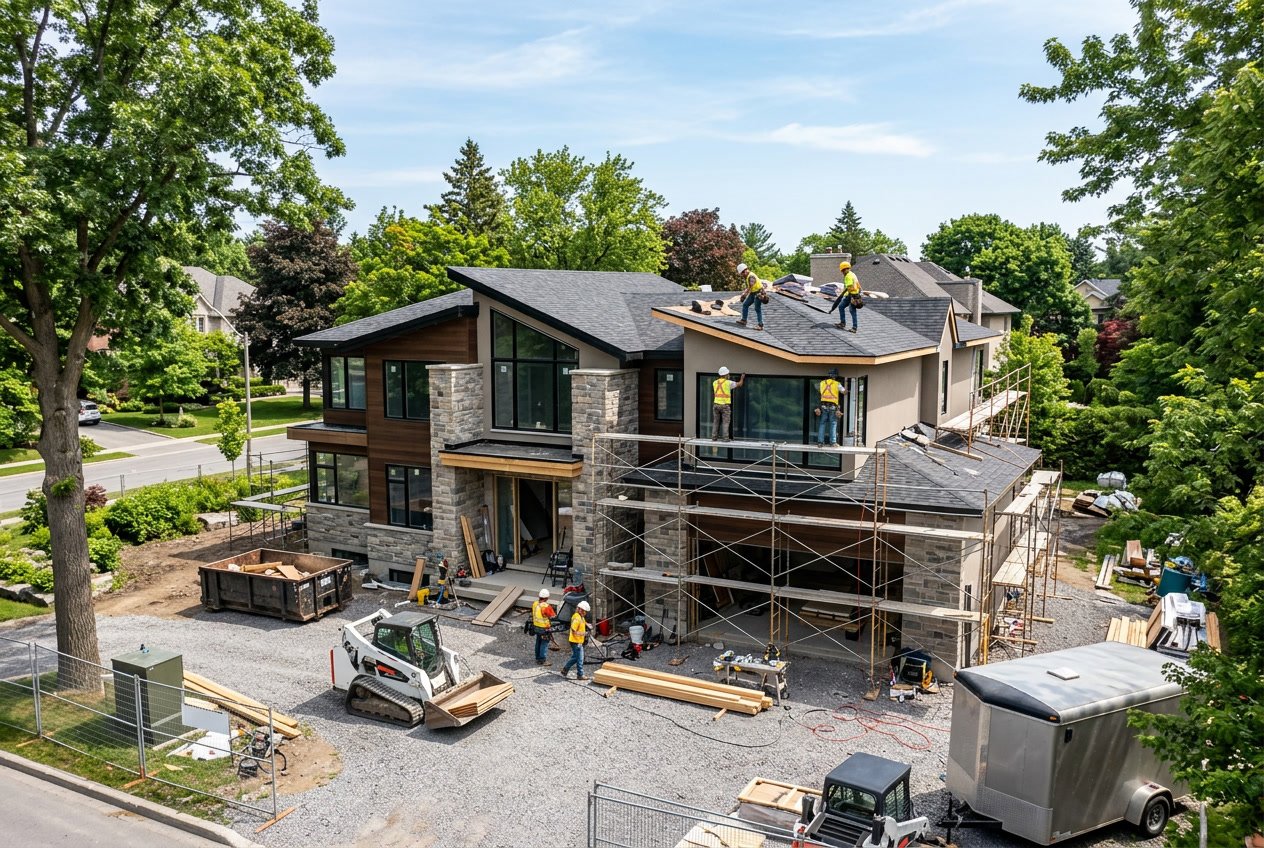
Luxury Custom Home Construction in Ottawa, Ontario – All the Answers
Building a luxury custom home represents one of the most significant investments you’ll make in your lifetime. In Ottawa, the custom home building market has grown substantially, with experienced builders creating high-end residences that blend modern design with quality craftsmanship. The right builder can transform your vision into a home that reflects your lifestyle and meets your specific needs.
Ottawa’s luxury custom home construction industry includes builders with decades of experience who specialize in creating unique properties. These professionals handle everything from initial design to final construction, ensuring your home meets the highest standards. The process involves careful planning, premium materials, and skilled tradespeople who understand the demands of luxury home building.
Understanding what goes into luxury custom home construction helps you make informed decisions throughout your building journey. From selecting a builder to choosing finishes and navigating the construction process, each step requires attention to detail. This guide walks you through the key aspects of building a custom home in Ottawa, giving you the knowledge to create a residence that exceeds your expectations.
What Defines Luxury Custom Home Construction in Ottawa?
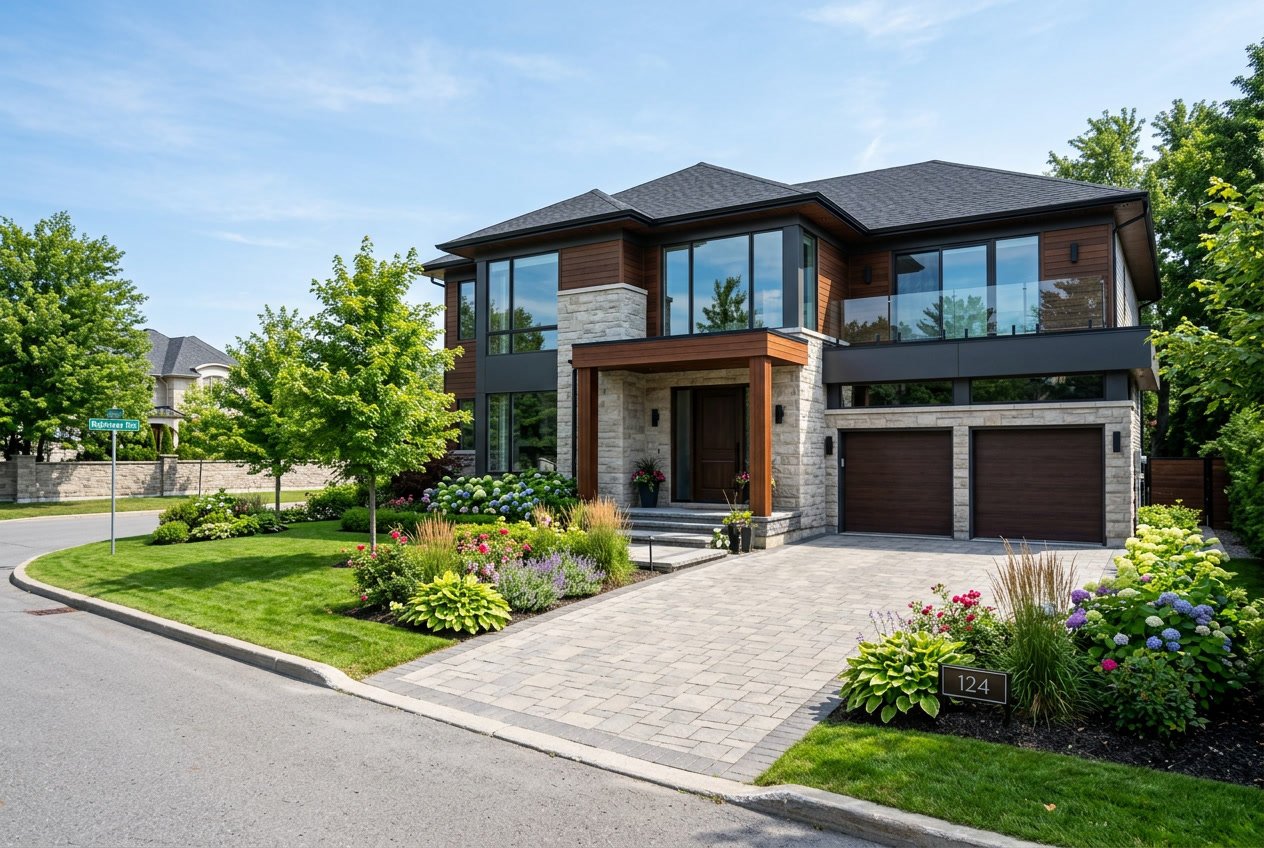
Luxury custom home construction represents a commitment to superior materials, personalized design, and exceptional attention to detail. The process involves working closely with experienced builders who understand both architectural vision and practical execution.
Distinguishing Features of Luxury Custom Homes
Luxury custom homes stand apart through their use of premium materials and architectural sophistication. These properties typically feature high-end finishes like natural stone countertops, hardwood flooring, and custom millwork throughout.
The design process allows you to specify every detail. You can choose ceiling heights, room layouts, and window placements that suit your lifestyle. Custom cabinetry, built-in storage solutions, and tailored lighting systems create spaces that work exactly as you need them to.
Premium materials and innovation form the foundation of these builds. Quality construction methods ensure structural integrity that lasts for decades. Advanced insulation systems, high-performance windows, and premium HVAC equipment provide comfort and efficiency.
Architectural details matter in luxury construction. Crown molding, coffered ceilings, and custom staircases add character. Exterior features might include stone facades, copper roofing, or custom metalwork that creates lasting curb appeal.
Benefits of Building a Custom Home in Ottawa
Building a custom home gives you complete control over your living space. You decide the floor plan, room sizes, and how spaces connect to each other. This means your home functions exactly how you want it to.
You can incorporate features that match your daily routine. Home offices, fitness rooms, wine cellars, or workshop spaces become part of your design from the start. Storage solutions fit your actual needs rather than generic layouts.
The Custom Home Builder of the Year award winner demonstrates the level of quality available in Ottawa’s market. Working with experienced builders means access to skilled trades and reliable timelines.
Custom construction eliminates the need for future renovations. You avoid the costs and disruption of changing an existing home to fit your preferences. Everything gets built right the first time according to your specifications.
Role of Craftsmanship in High-End Construction
Meticulous craftsmanship and refined detailing separate luxury homes from standard construction. Skilled tradespeople execute complex joinery, precise tile work, and flawless paint finishes that require years of experience.
An Ottawa custom home builder with proven expertise delivers consistent quality across all construction phases. Experienced teams understand how different materials work together and which techniques produce lasting results.
Quality craftsmanship shows in the details. Door frames align perfectly, baseboards meet without gaps, and finishes remain smooth and even. Cabinets close quietly with precision hardware. Trim work creates clean lines throughout your home.
The construction process demands coordination between multiple skilled trades. Framers, electricians, plumbers, and finish carpenters must work in sequence while maintaining exacting standards. This coordination requires experienced project management and attention to scheduling.
Choosing the Right Custom Home Builder
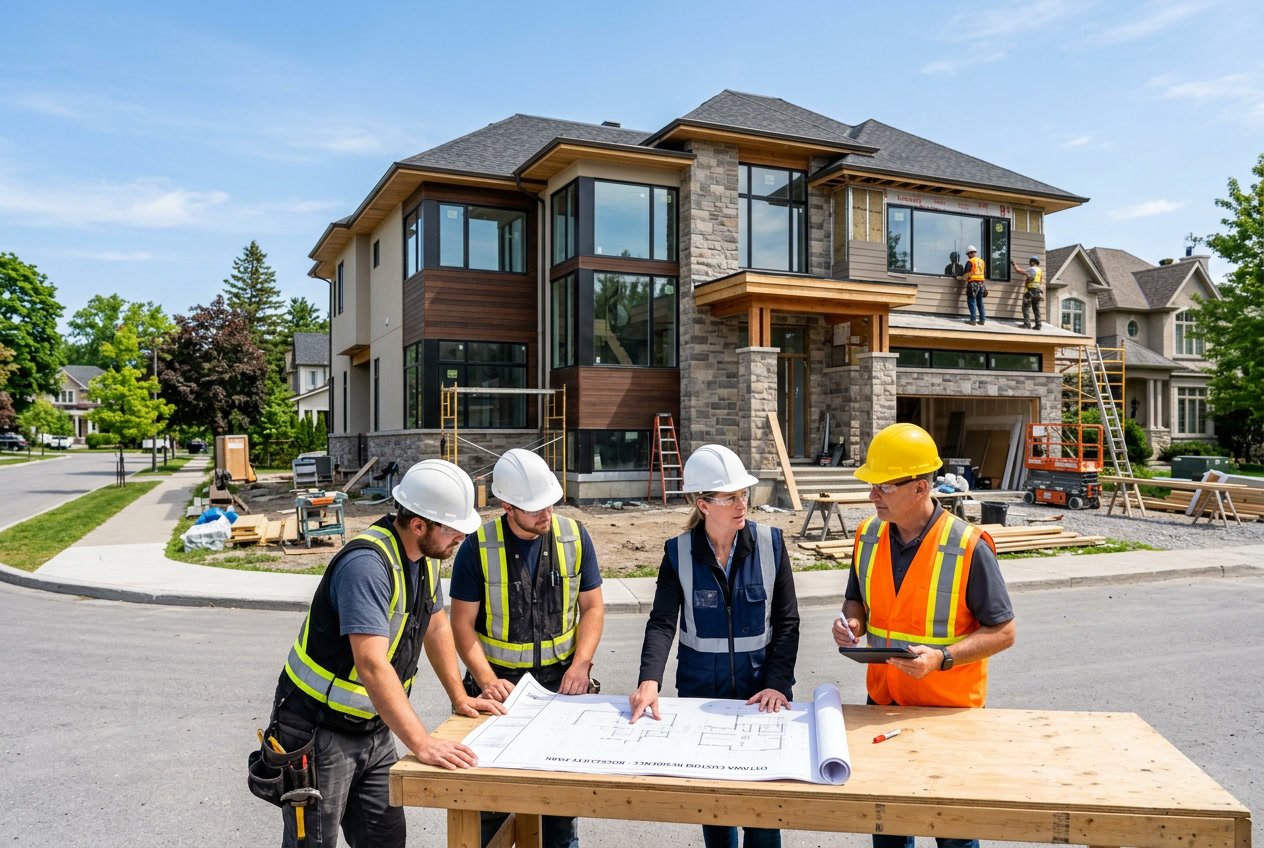
Selecting a builder requires careful evaluation of credentials, past performance, and professional standing. These factors determine whether your investment results in quality craftsmanship or costly complications.
Criteria for Evaluating Custom Home Builders
Start by examining licensing and insurance documentation. Every builder in Ontario should be verifiable through the Ontario Builder Directory, and new-home warranty coverage runs through Tarion. This helps confirm provincial compliance and provides protection related to defects and structural issues.
Request detailed cost breakdowns before signing any contract. Transparency in pricing reveals how builders handle materials, labor, and allowances. Ask about their communication methods during construction. Some custom home builders in Ottawa provide weekly updates or project management software access.
Visit completed projects when possible. Photos and virtual tours help, but walking through finished homes reveals workmanship quality. Pay attention to trim details, flooring transitions, and cabinet installations.
Interview past clients directly. Ask whether the builder stayed on budget, met deadlines, and resolved issues professionally. These conversations often reveal more than online reviews alone.
Importance of Experience and Reputation
Years in business matter when evaluating builders. Experienced builders understand local soil conditions, zoning requirements, and seasonal weather challenges that affect construction timelines. They maintain established relationships with trades and suppliers, which often results in better pricing and reliable scheduling.
Review portfolios that showcase similar projects to yours. A builder specializing in modern estates may not suit traditional designs. Look for custom home builders with demonstrated expertise in your preferred architectural style.
Check how builders handle warranty claims after construction. Strong aftercare programs include scheduled follow-ups and quick response times for repairs. This ongoing support reflects confidence in their work quality.
Association Memberships and Certifications
Membership in the Greater Ottawa Home Builders’ Association indicates commitment to industry standards and ethical practices. Members maintain an active industry presence and participation in Ottawa’s residential building community.
Specialized certifications demonstrate additional expertise. The Holmes Approved Homes program certifies builders who meet enhanced quality standards. Energy efficiency certifications like LEED or Net Zero training show technical knowledge in high-performance construction.
Verify memberships directly through association websites. Some builders claim affiliations they no longer maintain. Current membership confirms ongoing professional development and access to industry resources that benefit your project. TSH itself appears in the GOHBA member directory, which is the kind of direct verification worth checking.
The Custom Home Building Process in Ottawa
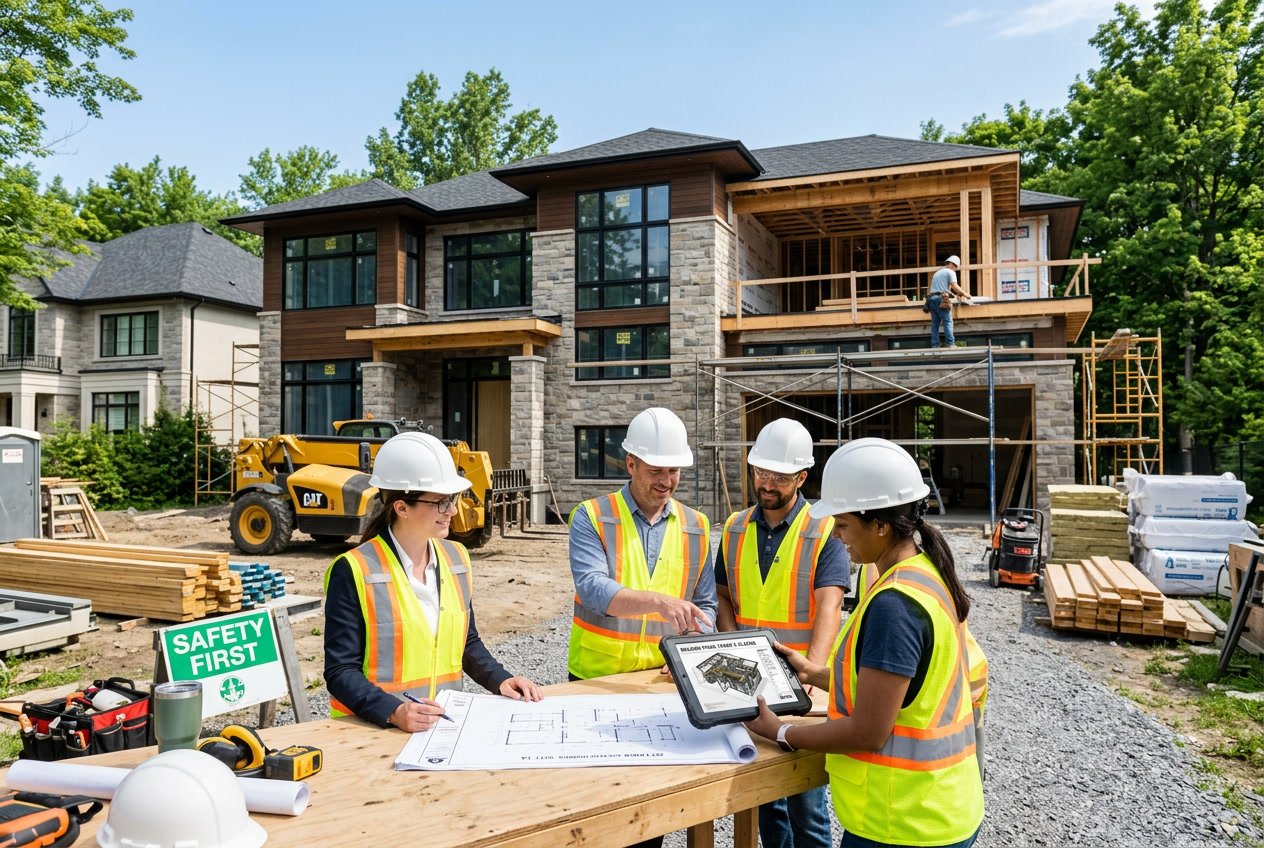
Building a luxury custom home involves three critical phases that determine your project’s success. Understanding consultation requirements, financial considerations, and permit obligations helps you navigate Ottawa’s construction landscape efficiently.
Initial Consultation and Design Phase
Your first meeting with an Ottawa custom home builder establishes the foundation for your entire project. During this consultation, you’ll discuss your vision, lifestyle requirements, and preferred architectural style while the builder assesses feasibility.
The design phase typically spans 2-4 months. You’ll work with architects to develop floor plans, exterior elevations, and detailed construction drawings that include structural plans, mechanical layouts, and material specifications.
Site selection plays a crucial role if you haven’t purchased land yet. Your builder evaluates zoning regulations, soil conditions, utility access, and required setbacks from property lines. These factors directly impact what you can build and where structures can sit on your lot. Ottawa’s zoning map and current zoning framework are worth reviewing early in the process.
You’ll make selections for exterior materials, roofing, windows, cabinetry, countertops, flooring, fixtures, and hardware during this phase. Making these decisions before construction starts prevents costly delays and change orders later.
Budgeting and Financial Planning
Custom home construction costs in Ottawa range from $300 to $500+ per square foot in 2026, depending on finishes and complexity. Your budget must account for land costs, design fees, permits, construction, landscaping, and a 10-15% contingency fund.
Working with custom home builders in Ottawa, you’ll receive preliminary cost estimates that break down each expense category. Understanding draw schedules matters because lenders release funds at specific construction milestones rather than all at once.
Construction loans differ from traditional mortgages. You’ll need strong credit, substantial down payment, detailed project plans, and proof that costs align with appraised value. Many builders require deposits before starting design work.
Permits and Regulatory Compliance
Building permits from the City of Ottawa are mandatory for all new construction over 10 square metres. The application process takes 4-8 weeks for standard residential projects, though complex builds require longer review periods.
Your builder submits completed applications, construction drawings, site plans, surveys, engineering reports, and permit fees on your behalf. Ottawa’s residential submission requirements and permit approval process outline what is typically needed.
Additional approvals may include zoning variances, Committee of Adjustment reviews for minor zoning changes, Conservation Authority permits near waterways, heritage approvals in designated areas, and septic permits for rural properties. Tree considerations also matter on many sites, and Ottawa’s tree protection guidance can affect removal and construction activity near protected trees. City inspectors verify foundation work, framing, insulation, electrical, plumbing, and HVAC systems throughout construction. You cannot occupy your home until all inspections pass and the city issues an occupancy permit.
Key Features and Innovations in Luxury Custom Homes
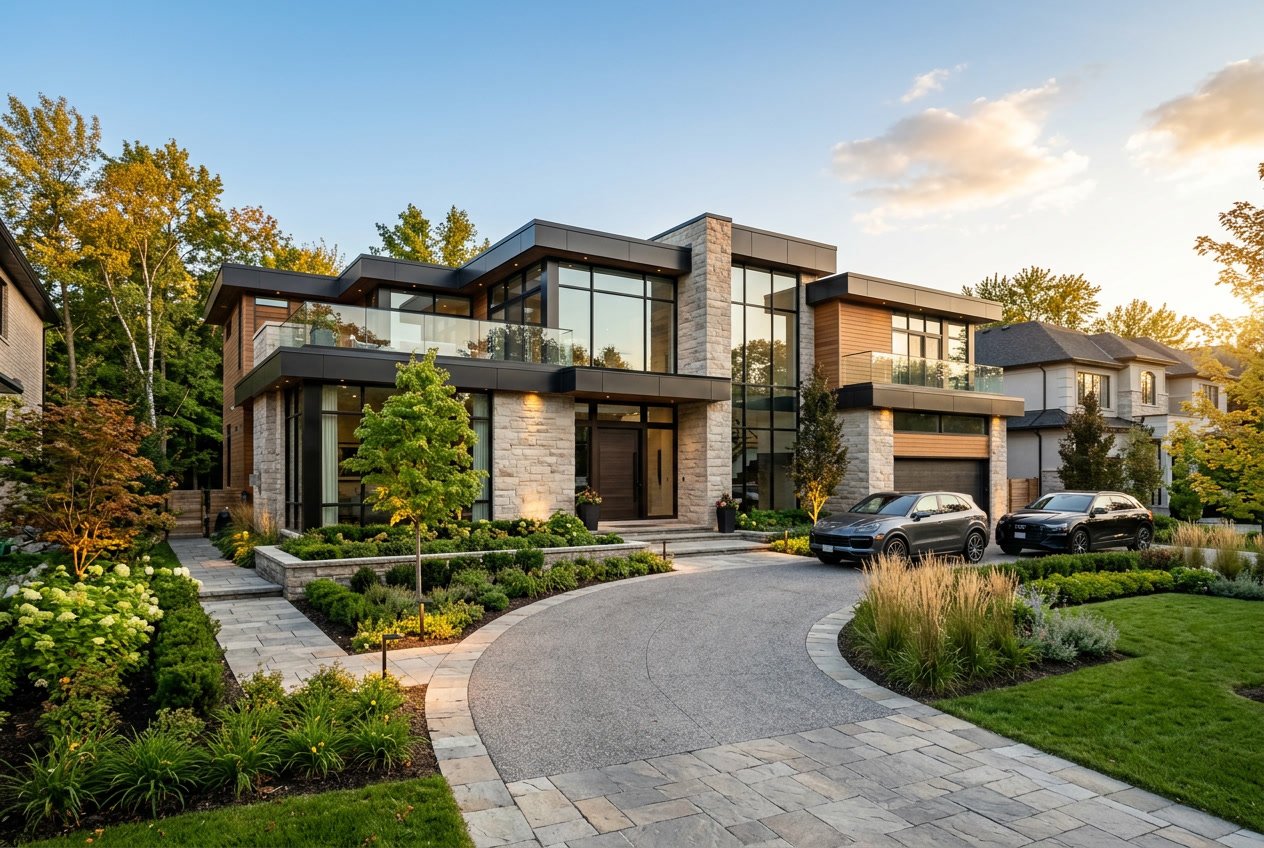
Modern luxury homes combine advanced technology with high-end materials and personalized design elements. These residences prioritize energy performance, automated systems, tailored living spaces, and premium finishes that define sophisticated living.
Sustainable Building Practices
Energy-efficient construction methods reduce operating costs while improving home performance. Geothermal heating and cooling systems maintain consistent temperatures year-round without relying on traditional HVAC equipment. These systems use the earth’s stable underground temperature to heat your home in winter and cool it in summer.
High-performance window systems with triple-pane glass and low-E coatings minimize heat transfer. You can expect R-values of 5 or higher compared to standard windows that typically rate around R-3. This translates to lower utility bills and improved comfort.
Solar panel integration into roof designs generates electricity while maintaining architectural appeal. Whole-home water filtration and softening systems protect plumbing fixtures and provide clean water throughout your residence. Sustainable luxury features work seamlessly with design aesthetics rather than compromising visual appeal. For broader performance planning, Natural Resources Canada’s home energy resources are also useful when comparing higher-efficiency options.
Smart Home Technology Integration
Fully integrated automation systems control lighting, temperature, security, and audio from a single interface. You can program scenes that adjust multiple elements simultaneously. Arriving home might trigger the garage door, adjust climate settings, and activate pathway lighting automatically.
Pre-wiring during construction hides infrastructure within walls and ceilings for a clean appearance. Motorized window treatments, automated security cameras, and voice-activated controls become standard features. These systems learn your preferences over time and adjust settings without manual input.
Smart home systems require professional installation during the building phase for optimal performance. Charging stations built into cabinetry keep devices powered while hiding unsightly cords. Whole-home audio systems deliver music to any room through concealed speakers.
Customization of Interior and Exterior Spaces
Custom floor plans accommodate your specific lifestyle requirements rather than forcing you to adapt to predetermined layouts. You might include a dedicated home office with built-in shelving, a wine room with climate controls, or a home theater with acoustic treatments.
Walk-in closets feature custom cabinetry designed for your wardrobe. Mudrooms include individual stations for family members with designated storage for coats, shoes, and bags. Spa-style bathrooms incorporate heated floors, rainfall showerheads, and freestanding soaking tubs.
Custom home builders in Ottawa work with you to create spaces that match your vision. Outdoor living areas extend your home’s functionality with covered kitchens, retractable glass walls, and weatherproof entertainment systems. These spaces include proper electrical and plumbing infrastructure planned during initial construction.
Premium Materials and Finishes
Natural stone countertops in materials like marble, quartzite, or granite provide durability and visual impact in kitchens and bathrooms. Hardwood flooring from species like white oak or walnut adds warmth and character. You can choose from various finishes including wire-brushed, hand-scraped, or smooth surfaces.
Custom millwork and trim details distinguish luxury homes from standard construction. Crown molding, wainscoting, and coffered ceilings add architectural interest. High-end fixtures from premium manufacturers ensure reliability and style in every room.
Exterior materials might include natural stone veneer, cedar siding, or stucco finishes that require minimal maintenance while providing lasting appeal. Designer lighting fixtures serve as functional art pieces throughout your home. Premium appliances from commercial-grade ranges to wine refrigerators complete your living spaces with professional-quality equipment.
Custom Home Renovations and Upgrades
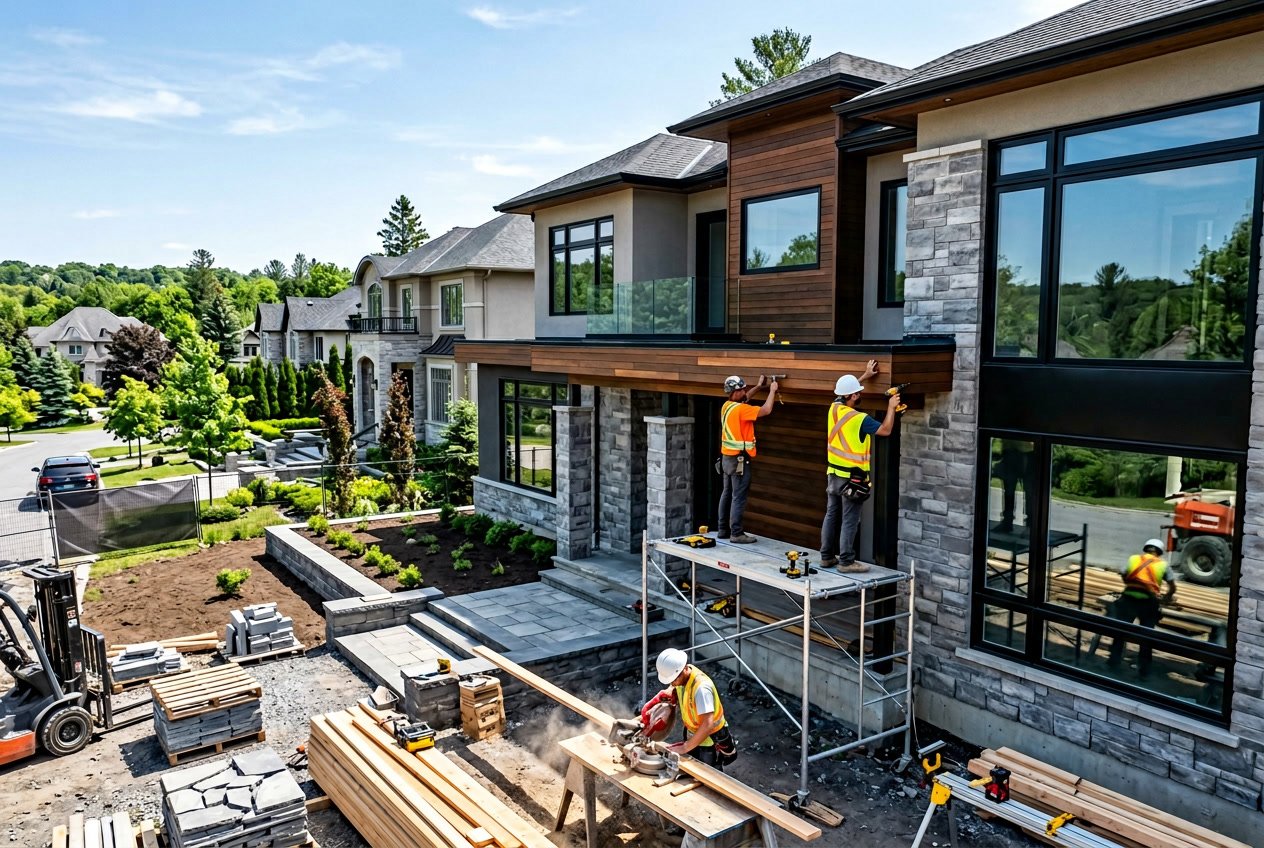
Transforming an existing property into a luxury residence requires specialized expertise in high-end finishes, modern systems, and architectural enhancements. Strategic upgrades can incorporate advanced technologies while elevating every aspect of your living space.
Renovating Existing Homes to Luxury Standards
Custom home renovations give you the opportunity to redesign your current property with premium materials and finishes. You can upgrade kitchens with custom cabinetry, natural stone countertops, and professional-grade appliances. Bathrooms transform into spa-like retreats with heated floors, frameless glass showers, and freestanding soaking tubs.
Architectural changes expand your options further. You might add vaulted ceilings, install floor-to-ceiling windows, or create open-concept layouts that improve flow between rooms. Custom millwork, crown molding, and wainscoting add elegant details throughout your home.
Material selection plays a key role in achieving luxury standards. Hardwood flooring, imported tiles, and designer lighting fixtures elevate the overall aesthetic. Working with experienced renovation contractors ensures proper execution of these high-end installations.
Modernizing with Smart and Sustainable Solutions
Smart home technology integrates seamlessly into luxury custom homes through whole-home automation systems. You can control lighting, climate, security, and entertainment from a single interface. Voice-activated assistants manage daily tasks while automated blinds adjust throughout the day.
Energy-efficient upgrades reduce operational costs without sacrificing comfort. Triple-pane windows minimize heat loss during winter months. High-efficiency HVAC systems maintain ideal temperatures while consuming less energy. LED lighting throughout your home decreases electricity usage by up to 75% compared to traditional bulbs.
Water conservation features include low-flow fixtures and tankless water heaters that provide endless hot water on demand. Solar panel installations can offset energy consumption, though they represent a significant upfront investment. These modern solutions increase your property value while improving daily functionality.
Frequently Asked Questions
Building a luxury custom home in Ottawa involves investments starting at $450 per square foot and timelines of 12-24 months from initial design to completion. Understanding the process, costs, and key decisions helps you navigate your construction project successfully.
What are the essential steps involved in building a custom luxury home in Ottawa?
The first step is purchasing suitable land or evaluating your existing lot. Your architect should assess the property before purchase to verify it can accommodate your vision and meets all buildability requirements.
Next comes the programming and schematic design phase. This takes 4-8 weeks where you work with your architect to document room sizes, spatial relationships, lifestyle needs, and budget priorities.
Design development follows for another 4-8 weeks. Your team finalizes exterior materials, window placements, interior finishes, and detailed layouts for kitchens and bathrooms.
Construction documents require 6-12 weeks to complete. These detailed drawings cover architectural, structural, mechanical, electrical, and plumbing systems that tell builders exactly what to construct.
Permit submission and builder selection happen simultaneously over 4-8 weeks. Your architect manages the permit process while you review competitive bids from contractors.
Construction takes 8-16 months depending on home size and complexity. Your architect provides oversight throughout, reviewing submittals and verifying the build matches design specifications.
How does zoning and permitting affect the construction of custom homes in Ottawa?
Ottawa operates under dual zoning bylaws that control lot coverage, building height, setbacks, and permitted uses. Your architect must verify compliance before design begins to avoid discovering violations after drawings are complete.
Residential permit reviews currently take 10-20 business days for straightforward applications. More complex projects or properties in heritage conservation districts face additional review requirements.
The city requires site plans and grading plans showing stormwater management. You must demonstrate that drainage patterns will not negatively affect neighboring properties through Infrastructure Approvals review.
Tree protection bylaws apply to trees over 10 cm diameter on private property in Ottawa’s urban area, with additional rules for city-owned trees and construction activity near protected trees. Removal may require permits and replacement plantings, which affects your site plan and construction access routes.
Properties in heritage districts undergo additional design review. These restrictions can limit exterior materials, window styles, and architectural features you can incorporate into your home.
What are the latest trends in luxury home design and amenities for Ottawa residences?
Main-floor primary suites have become standard in luxury homes. This design supports aging-in-place while providing convenient single-level living.
Dedicated home office spaces with proper acoustics and natural light are now essential. Many luxury homes include separate entrances for these spaces to maintain work-life boundaries.
Advanced mechanical systems like air-source heat pumps and radiant floor heating provide superior comfort. These systems reduce operating costs while maintaining consistent temperatures throughout the home.
Custom millwork and premium materials define luxury interiors. Strategic allocation focuses investment on kitchens, primary bathrooms, and main living areas while using quality materials in secondary spaces.
Large-format windows and indoor-outdoor connections maximize natural light. South-facing living spaces capture winter sunlight while thoughtful orientation keeps bedrooms comfortable in summer.
Smart home integration controls lighting, temperature, security, and entertainment systems. These technologies add convenience while protecting your investment through remote monitoring capabilities.
How do construction costs for luxury homes in Ottawa compare to standard home building?
Standard custom homes in Ottawa cost $300-$450 per square foot. Luxury projects range from $450-$550 or more per square foot depending on finishes and complexity.
A 2,500 square foot luxury home at $450 per square foot runs $1,125,000 in construction costs alone. Add design fees at 8-15% of construction, site development at $30,000-$100,000, permits at $15,000-$50,000, and landscaping at $20,000-$80,000.
Premium materials drive significant cost differences. Custom millwork, imported tile, hardwood flooring, and high-end appliances add $50,000-$150,000 compared to standard selections.
Complex architectural features increase costs substantially. Vaulted ceilings, curved walls, extensive glass, and intricate rooflines require additional engineering and skilled labor.
Site conditions affect your budget dramatically. Properties requiring extensive grading, retaining walls, or special foundation work for soil conditions can add $50,000-$150,000 to total costs.
You must budget 10-15% contingency for any custom home. Every project encounters unexpected conditions during construction that require additional spending.
What is the typical timeline for completing a luxury custom home construction in Ottawa?
Plan for 12-24 months total from initial design meeting to move-in. Larger or more architecturally complex homes can extend beyond two years.
Design and permitting consume 4-6 months. This includes programming, schematic design, design development, construction documents, and permit approval from the city.
Construction takes 8-16 months once ground breaks. Spring-to-fall represents the primary building season, with spring starts being ideal for completing homes before winter.
Starting design in fall or winter positions you for spring construction. This timing eliminates wasted months and allows you to break ground during optimal weather conditions.
Winter construction is possible but adds 10-15% in costs. Concrete work below -10°C requires heated enclosures, hot water mixing, and thermal blankets that increase labor and material expenses.
Builder availability affects your schedule significantly. Top contractors book 3-6 months ahead, so engage them during design to reserve your spot in their schedule.
How do I select the right contractor for my luxury custom home project in Ottawa?
Review completed projects similar in scope and budget to yours. Visit homes the builder has constructed and speak with previous clients about their experience.
Verify the contractor holds proper licensing and insurance. Request proof of WSIB coverage and liability insurance before signing any agreements.
Ask for detailed references from recent luxury projects. Contact at least three references and ask specific questions about communication, budget adherence, and problem resolution.
Evaluate their familiarity with luxury finishes and systems. Building a luxury home requires experience with premium materials, custom millwork, and advanced mechanical systems that differ from standard construction.
Compare detailed bids from multiple contractors. The lowest price often indicates missing scope or lower-quality materials rather than genuine savings.
Assess communication style and responsiveness during the bidding process. How a contractor handles